Did you come here for something in particular or just general Riker-bashing? And blowing into maximum warp speed, you appeared for an instant to be in two places at once. We have a saboteur aboard. We know you’re dealing in stolen ore.
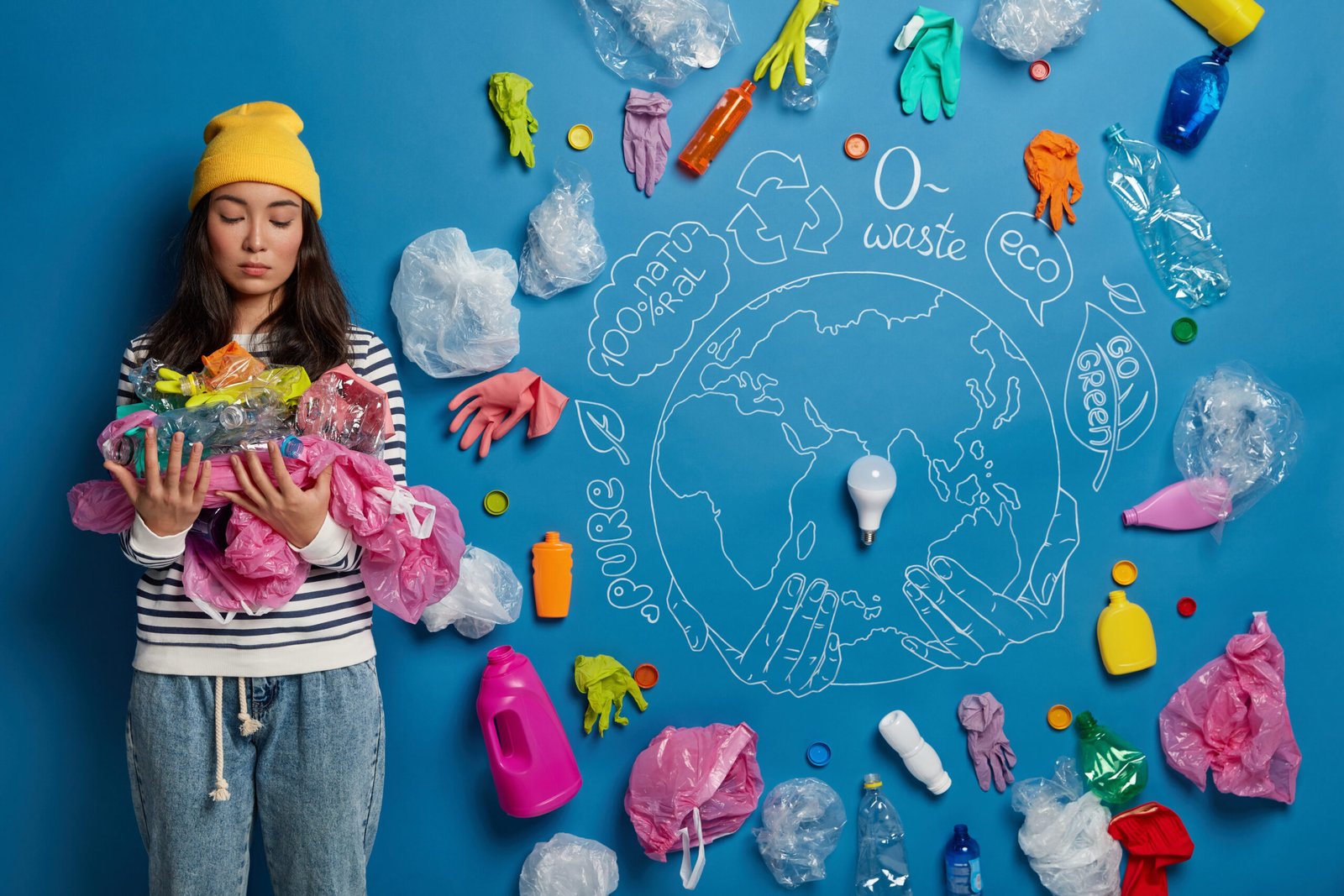
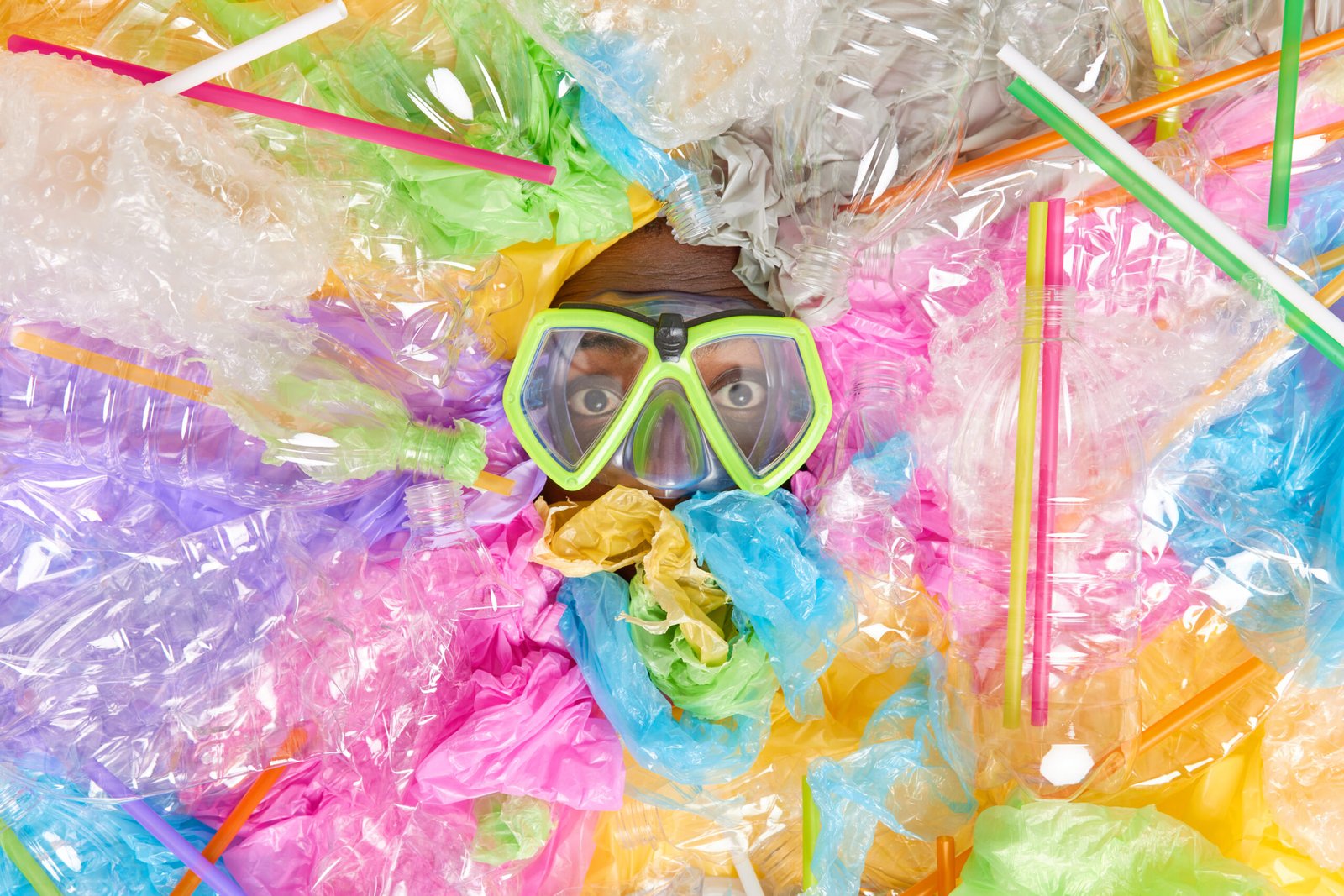
But this convenience comes at a cost we can no longer ignore. The plastic waste crisis isn’t just about a few littered bottles; it’s a complex, global issue touching every corner of our environment, our health, and our economies. Let’s unwrap the real impact.
The Scale of the Problem: A Tidal Wave of Waste
The Recycling Myth: Only about 9% of all plastic ever produced has been recycled. The vast majority—79%—ends up in landfills, dumps, or the natural environment.
A Marine Catastrophe: Every year, 8 to 11 million tons of plastic waste enter our oceans. That’s equivalent to a garbage truck full of plastic being dumped into the sea every single minute.
When plastic escapes into the environment, its impact is long-lasting and multifaceted.
1. The Choking of Our Oceans:
Plastic pollution is perhaps most visible in our seas. It entangles and maims marine life, from sea turtles to whales. Even more insidious is microplastics—tiny plastic fragments created as larger items break down. These are ingested by plankton, move up the food chain, and are now found in every ocean, from the surface to the deepest trenches.
2. The Invisible Invasion: Microplastics
Microplastics have become a ubiquitous environmental contaminant. They are in the air we breathe, the water we drink, and the food we eat. Scientists are still uncovering the full health implications, but the presence of these synthetic particles in our bodies is a stark warning sign.
3. The Climate Connection:
Plastic is made from fossil fuels, and its production is a significant contributor to greenhouse gas emissions. From extraction and refining to manufacturing and transportation, the plastic lifecycle is a carbon-intensive process. Furthermore, as plastic waste breaks down, it releases methane and ethylene—potent greenhouse gases that accelerate climate change.
The Human and Economic Cost
This crisis isn’t just an environmental one; it hits close to home.
Public Health: The chemicals used in plastic production can leach into our food and water. The long-term health effects are a major area of concern for researchers.
Economic Damage: Plastic litter clogs drains, causing floods. It pollutes beaches, harming tourism and fisheries. The Asia-Pacific region alone faces estimated annual costs of over $1.3 billion in tourism and fishing industry losses due to plastic pollution.
Social Injustice: Often, plastic waste from wealthier nations is exported to developing countries with less robust waste management infrastructure, turning their communities into dumping grounds and creating health hazards for the most vulnerable.
A Glimmer of Hope: The Global Fightback
The situation is dire, but it’s not hopeless. A powerful wave of change is building.
Policy and International Action: The groundbreaking UN Global Plastic Treaty, currently being negotiated by 175 nations, aims to create a legally binding agreement to end plastic pollution by 2024. This is a monumental step toward a unified global response.
Innovation and Design: Scientists and entrepreneurs are developing truly biodegradable bioplastics, revolutionary recycling technologies, and new delivery models (like refillable containers) that eliminate the need for single-use packaging altogether.
Grassroots and Corporate Shifts: From community clean-up drives to corporate commitments to reduce virgin plastic use, pressure from consumers and citizens is driving tangible progress. The circular economy—a system where materials are reused and not wasted—is becoming a central business goal.
What You Can Do: Your Power as a Consumer and Citizen
Systemic change is essential, but individual actions create the demand for it. Here’s how you can be part of the solution:
Refuse and Reduce: This is the most powerful step. Refuse single-use plastics like straws, cutlery, and bags. Choose products with less or no packaging.
Reuse Relentlessly: Embrace a reusable water bottle, coffee cup, and shopping bags. Repair items instead of replacing them.
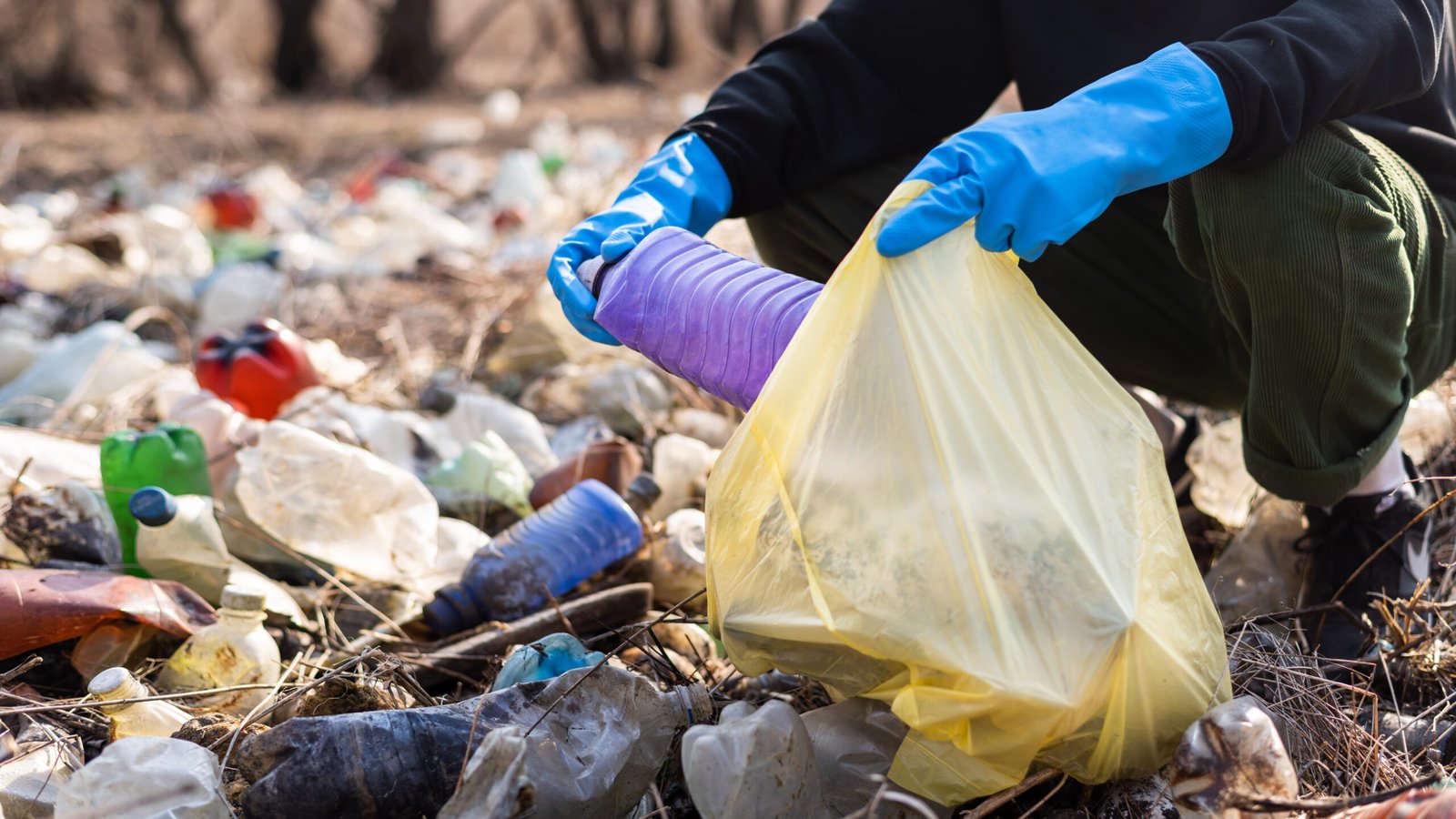
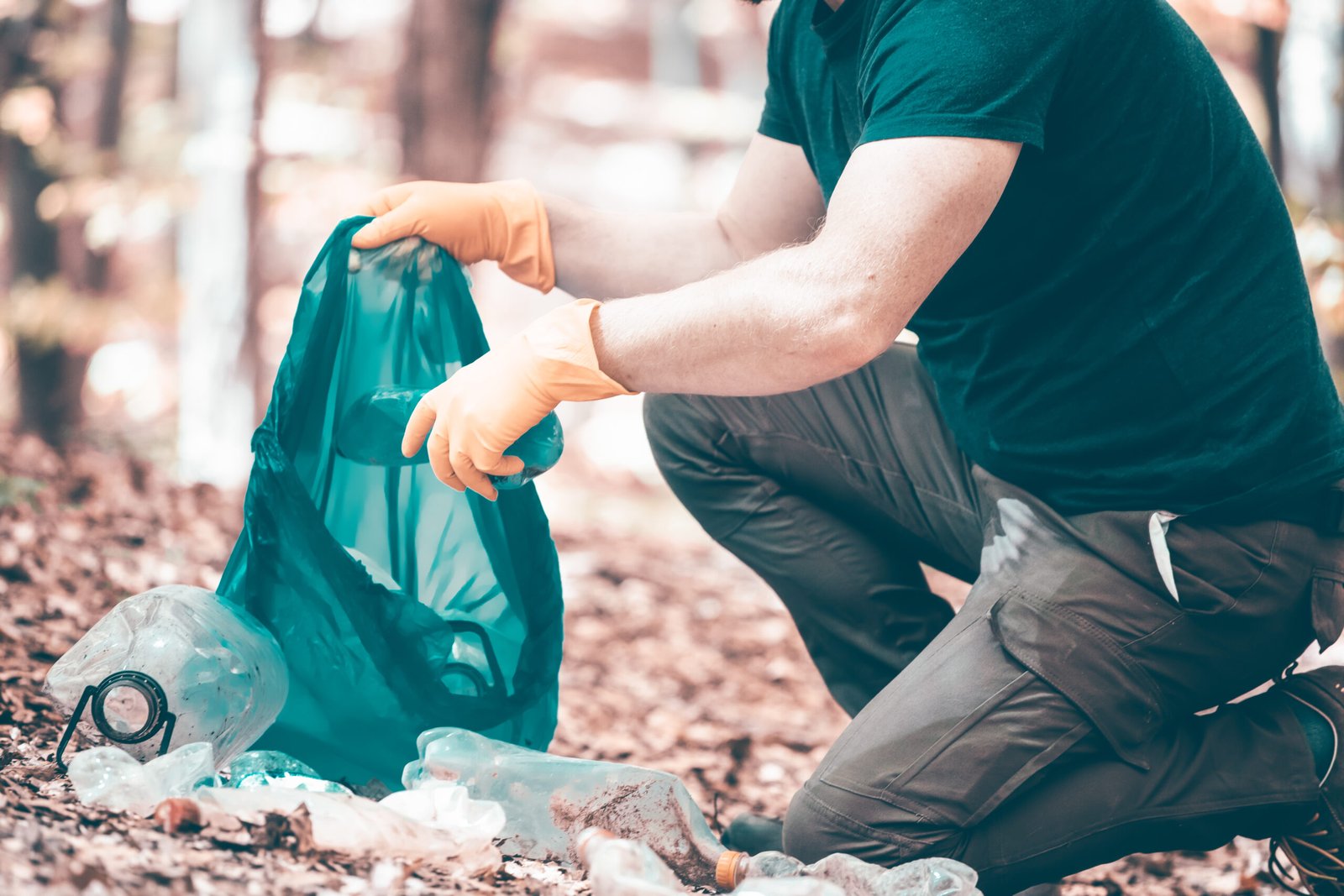
Recycle Right: Know your local recycling guidelines. Contamination from dirty or wrong items can send entire batches to the landfill.
Choose to Advocate: Support businesses that are committed to sustainable packaging. Sign petitions, write to your local representatives, and demand they support policies that hold producers responsible for their plastic waste.
Spread the Word: Share what you’ve learned. Talk to friends and family. Collective awareness leads to collective action.

By sanjeewar@aol.com

I am 6 feet tall and 220 lbs. This shirt fit me perfectly in the chest and shoulders. My only complaint is that it is so long! I like to wear polo shirts untucked. This shirt goes completely past my rear end. If I wore it with ordinary shorts, you probably wouldnt be able to see the shorts at all – completely hidden by the shirt. It needs to be 4 to 5 inches shorter in terms of length to suit me. I have many RL polo shirts, and this one is by far the longest. I dont understand why.
My husband always says that the Lauren polos fit better and last longer than any other brand.I love the new “heathered” color and the price is always excellent through shop
I am 6 feet tall and 220 lbs. This shirt fit me perfectly in the chest and shoulders. My only complaint is that it is so long! I like to wear polo shirts untucked. This shirt goes completely past my rear end